Diplomatic Masterclass: Dayton Peace Accords Negotiations and Implementation
Reaching an agreement to end the war in the Balkans was a long and challenging endeavor. It involved various bureaus within the U.S. Department of State, interagency cooperation across the U.S. government, support from allies and the international community, and intensive American shuttle diplomacy and negotiations led by Ambassador Richard Holbrooke and his team. When the agreement was reached on November 21, 1995, the peace process didn’t end; instead, it entered an even more complex phase: implementation.
For the past thirty years, American and foreign diplomats, together with international organizations such as NATO, Office of High Representative for Bosnia and Herzegovina, United Nations, Organization for Security and Cooperation in Europe, and European Union, among others, have worked tirelessly to implement the provisions of the agreement, build democratic institutions, strengthen the rule of law, and support long term peace and stability in the region. Today, thanks to these efforts, Bosnia and Herzegovina and the region have achieved considerable progress, even as many challenges remain.

The negotiations and implementation of the Dayton Peace Accords offer an important case study filled with lessons learned and remarkable diplomatic and personal stories that enrich the training of the next generations of diplomats specializing in conflicts, peace negotiations, and post-conflict reconstruction, as well as historians, students of international affairs, and the public interested in American diplomacy, European affairs, or the Balkans.
Each oral history below captures diverse experiences and voices of diplomats, national security leaders, members of the U.S. Congress and their staff, military officers, academics, and members of the public. Some were in the room where it happened, others played key roles in the implementation process. Some were just observers and witnesses to this landmark moment in U.S. diplomatic history, while others were inspired by the agreement to actively engage with the region. Welcome to the room where it happened!
Oral Histories from the Dayton Peace Accords
Hover over each photo for a short biography of the individual and click their name to read their full Oral History!
The road to the Dayton Peace Accords was complex and challenging. In the following diplomatic masterclass, Ambassadors Peter Galbraith and Christopher Hill provide a very engaging discussion and reflection on agreements and events that preceded the Dayton negotiations, the dynamics and controversies during the talks, and lessons learned from the process. It is an introduction like no other to this moment in America’s diplomatic history.
Road to Dayton and Dayton Peace Accords Negotiations
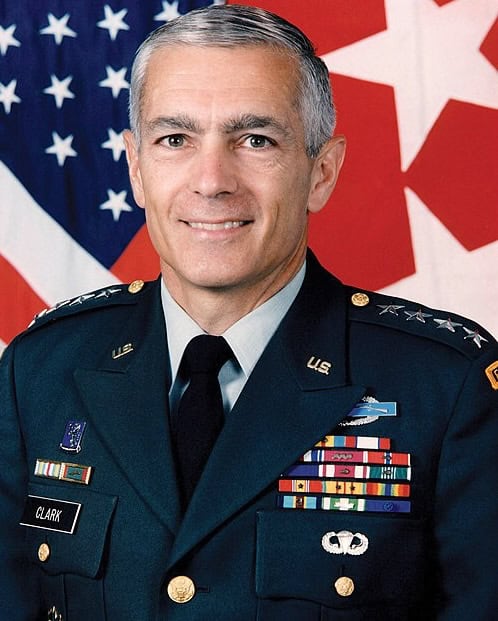
General Wesley Clark
General Wesley K. Clark began working on the Balkan issues in 1994 when he was appointed as the Director, Strategy Plans and Policy (J5) on the Joint Chiefs of Staff. General Clark was a member of the U.S. shuttle diplomacy and Dayton Peace Accords negotiations, playing a key role in securing a deal to end the war in the Balkans. General Clark served as the Supreme Allied Commander Europe of NATO from 1997 to 2000.
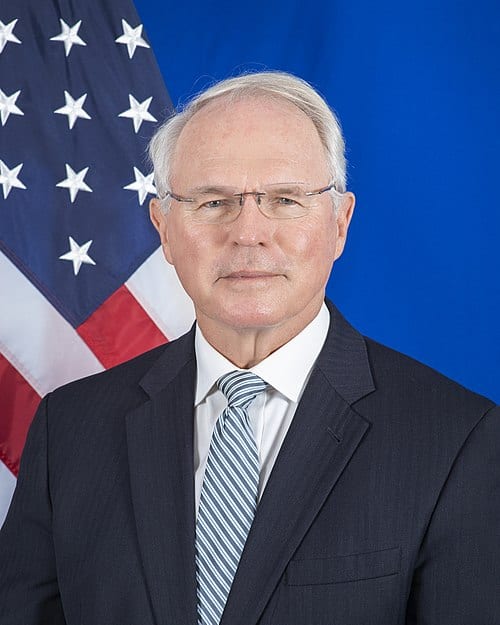
Ambassador Chris Hill
Ambassador Christopher R. Hill served as deputy to Richard Holbrooke during the Dayton Peace Accords negotiations, playing a key role as a negotiator in bringing the Bosnians, Croatians, and Serbians to the table. In the following years, he returned to the region as US Ambassador to Macedonia, Albania, and Serbia.
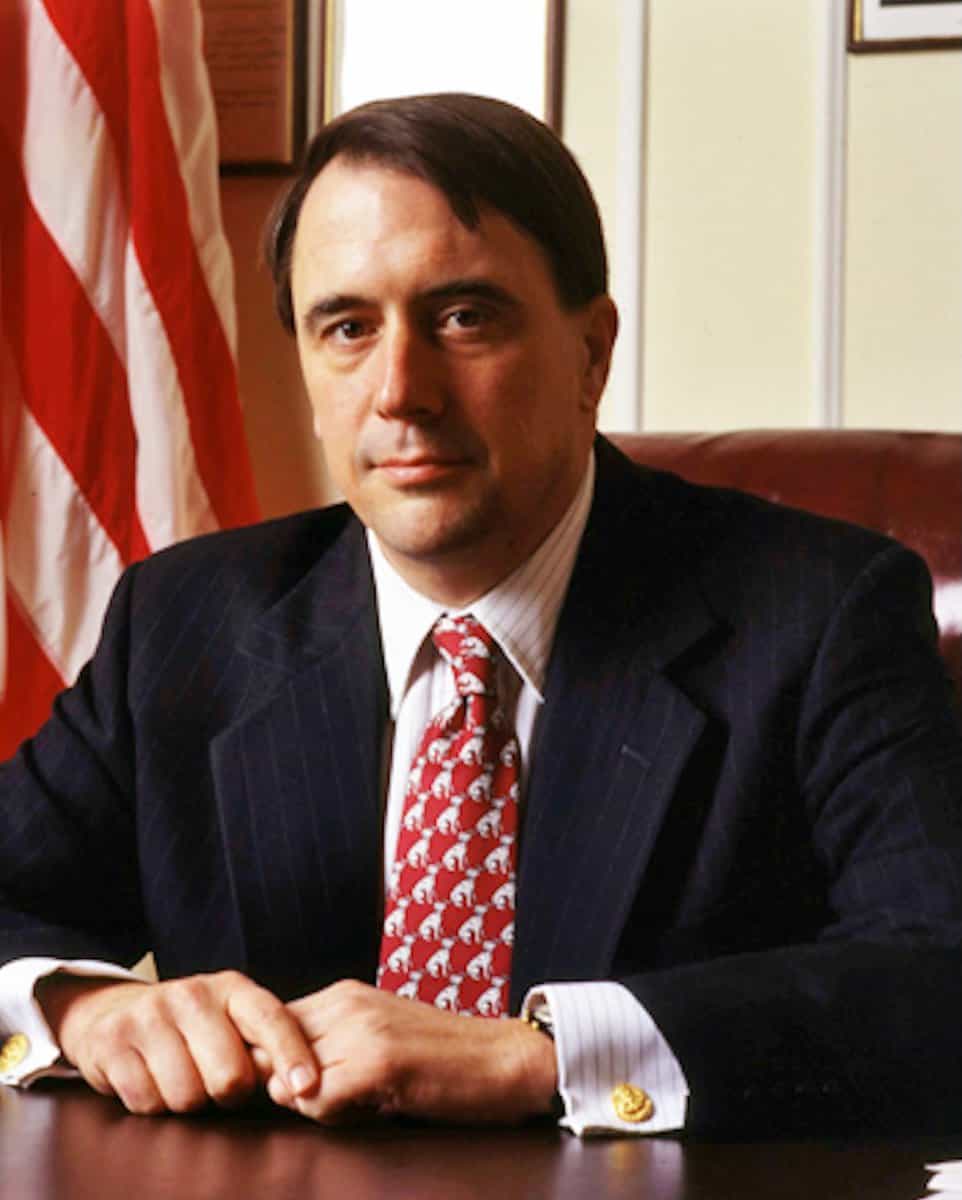
Ambassador Peter Galbraith
Ambassador Peter W. Galbraith served as U.S. Ambassador to Croatia from 1993 to 1998 and was a co-mediator of the 1995 Erdut Agreement that ended the Croatian War of Independence. He also took part in the Washington Agreement negotiations that ended the Muslim-Croat war in 1994 and the Dayton Peace Accords negotiations.
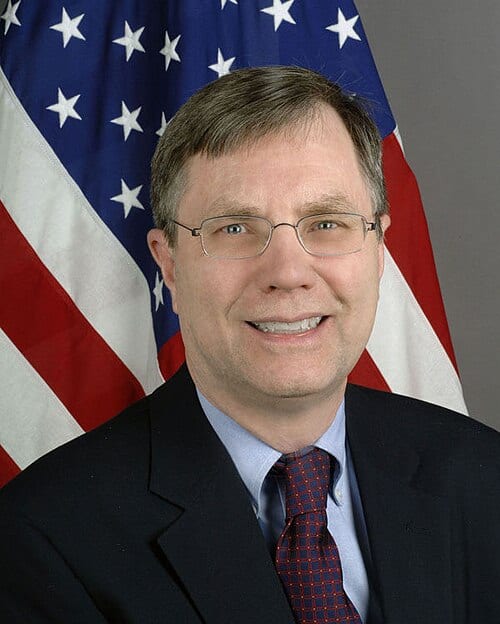
Ambassador Patrick F. Kennedy
Ambassador Patrick F. Kennedy served as Assistant Secretary of State for Administration 1993 to 2001, US Ambassador to the United Nations for Management and Reform from 2001 to 2005, and Under Secretary of State for Management from 2007 to 2017. Ambassador Kennedy chose Wright-Patterson Air Force base as the negotiations site.
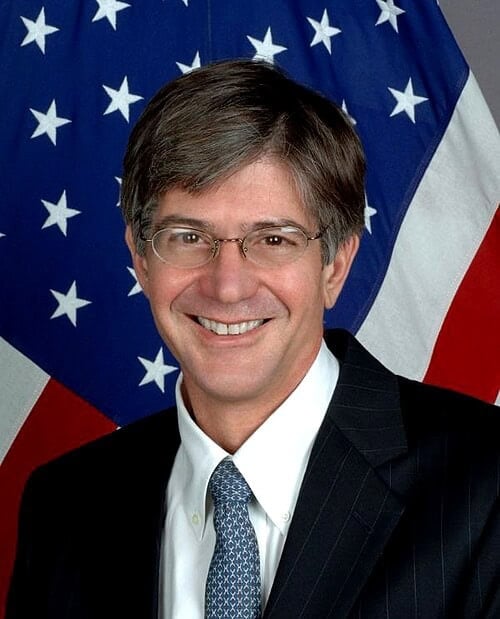
Deputy Secretary of State Jim Steinberg
Deputy Secretary of State Jim Steinberg served as the Director of Policy Planning (1994-1996) and the deputy national security advisor (1996 to 2001) during the crisis in the Balkans. He worked on developing policy ideas and concepts to mitigate and address the crisis in the region.
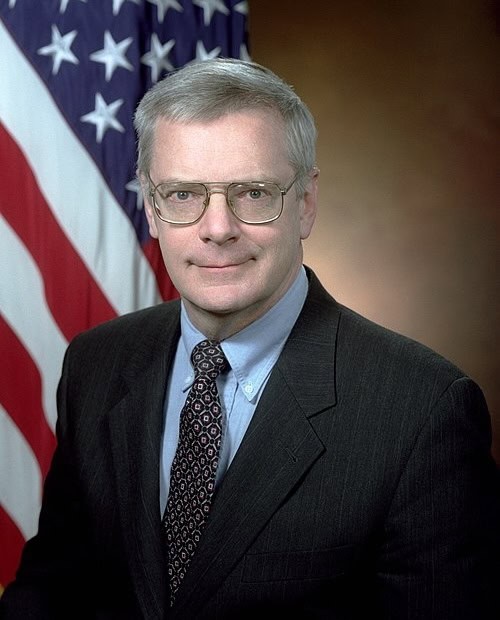
Walter Slocombe
Walter Slocombe served as Under Secretary of Defense for Policy (1994-2001) during the crisis in the Balkans and played an important role developing concepts and frameworks for the military response and provisions of the Dayton Accords.
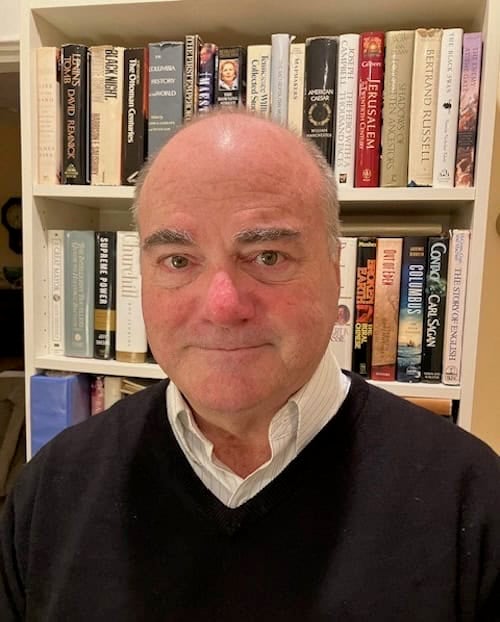
Jack Zetkulic
Jack Zetkulic was a member of the U.S. negotiations delegation. He also served as the coordinator of the Balkan Action Task Force since 1994, and was a key player behind the election annex of the Dayton Peace Accords. After Dayton, he served in Belgrade as DCM before postings in Stockholm and Bern.
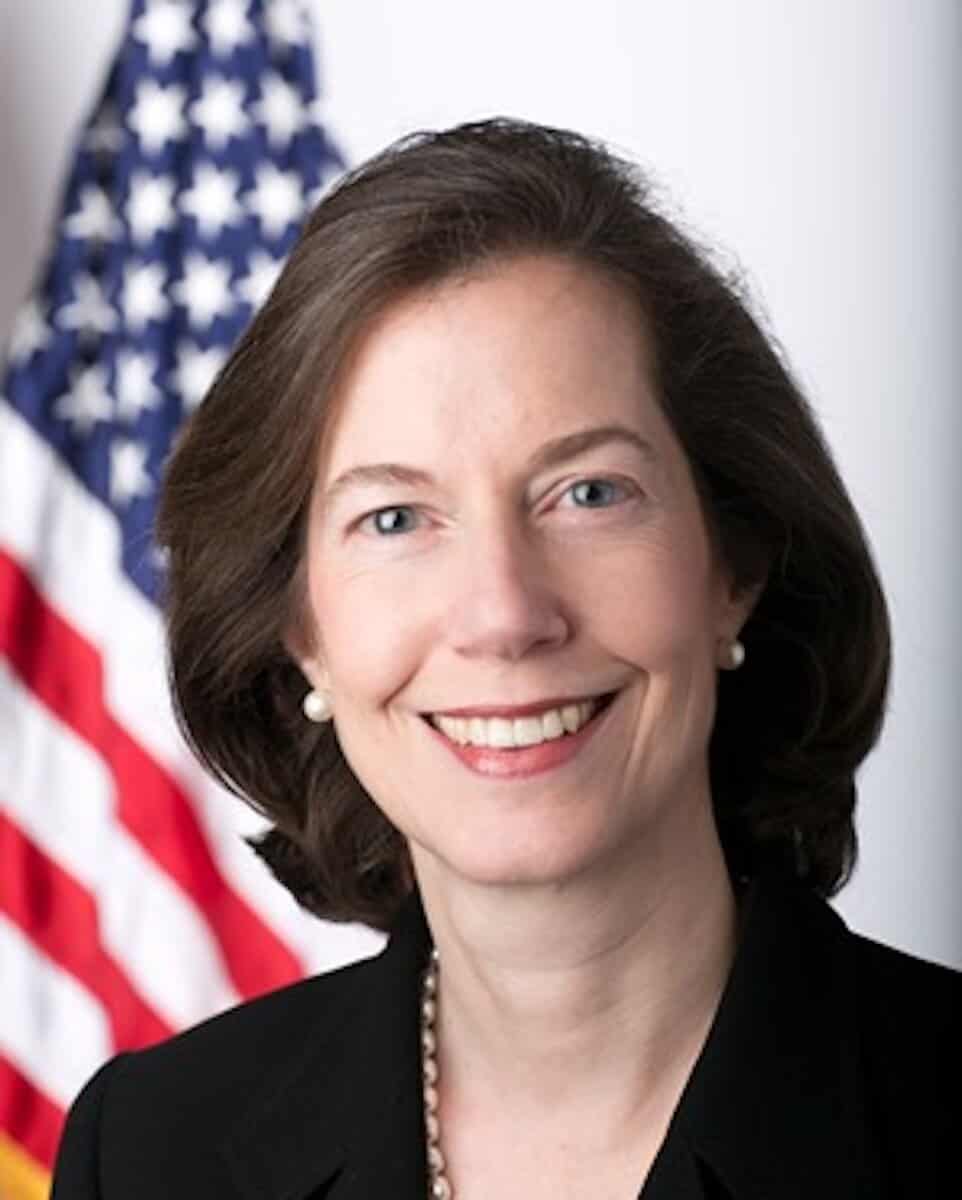
Ambassador Miriam Sapiro
Ambassador Miriam Sapiro served as a member of Secretary of State Warren Christopher’s Policy Planning Staff and in the Office of Legal Adviser, assisting with the efforts to end the war in the Balkans and negotiations of the Dayton Peace Accords.
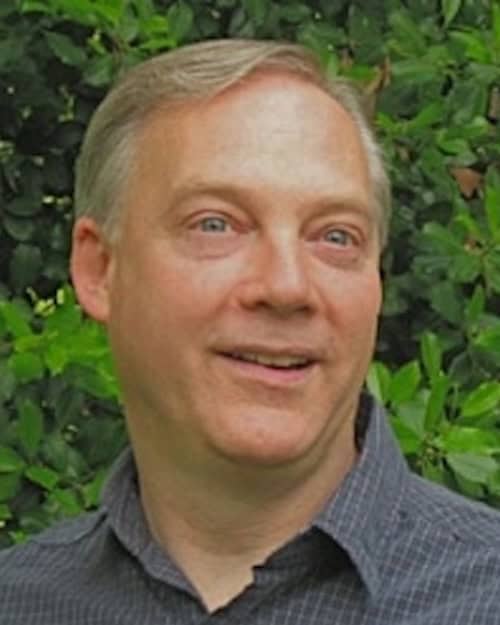
Christopher Hoh
Christopher J. Hoh served as the Croatia desk officer and was part of the Dayton negotiations. Later he was the Charge d’Affaires and Deputy Chief of Mission at the US Embassy in Sarajevo and was part of the 1996-1997 State Department’s Dayton History Project.
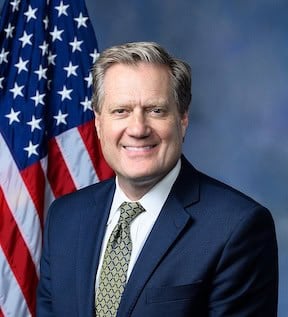
Mike Turner
Mike Turner served as the 53rd Mayor of the City of Dayton (1994-2002) during the Dayton Peace Accords negotiations. He currently serves as U.S. Representative for Ohio’s 10th congressional district.
The story of the Dayton Peace Accords is also a story of two different communities: one in the Balkans and one in Dayton, Ohio. In the following oral history, U.S. Representative Mike Turner discusses his engagement with the Dayton Peace Accords as a mayor of Dayton and member of Congress, the agreement’s legacy, and the impact this monumental agreement had on his community and him personally.
Daytonians Witnessing Negotiations and Their Engagement with the Balkans

COL. Garald K. “Robbie” Robinson
Col. Garald K. “Robbie” Robinson served as the commander of the 88th Air Base Wing of the Wright-Patterson Air Force Base during the negotiations. He assisted the U.S. Department of State in transforming the base into a negotiations site, while also being a witness to the Dayton Peace Accords negotiations.
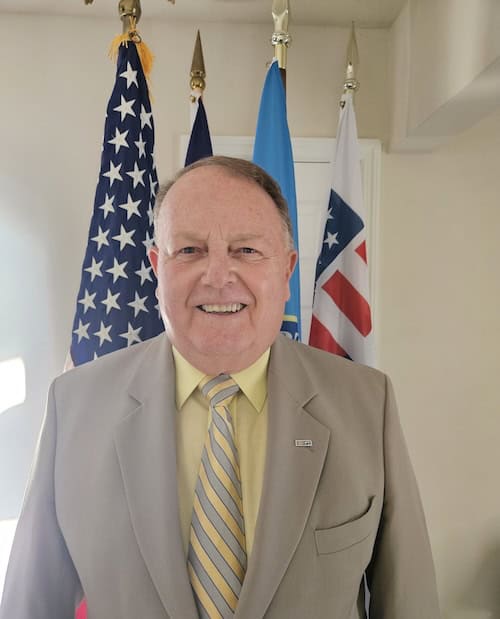
Lt. Col. John W. McCance
Lt. Col. John W. McCance is a founding partner and co-chair of the Dayton Peace Accords and Dayton Peace Prize anniversary events in Dayton, Ohio. Served as Air Force Liaison officer to Ambassador R. Nicholas Burns during the negotiations at Wright-Patterson AFB in 1995.
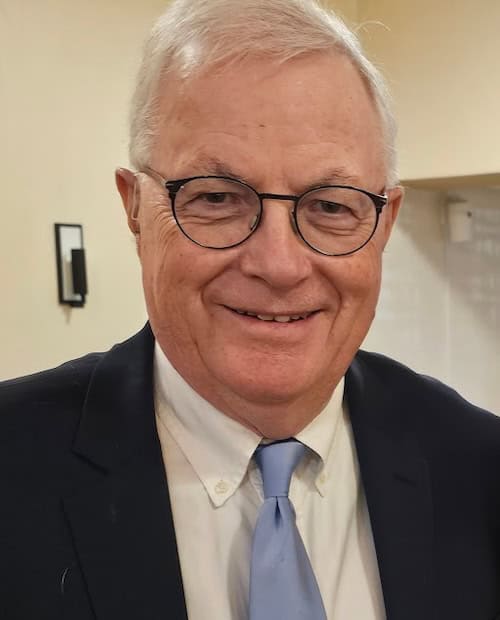
R. Bruce Hitchner
R. Bruce Hitchner was the co-founder and Chair of the Dayton Peace Accords Project (1998 to 2014) and a member of the international team that assisted political parties in Bosnia and Herzegovina with the April 2006 Package of Amendments to the Dayton Peace Accords Constitution.
The NATO Parliamentary Assembly commemorated the 30th anniversary of the Dayton Peace Accords in Dayton, Ohio, in May 2025. Jason Galanes, chief of staff to Representative Mike Turner and Secretary of the U.S. Delegation to NATO Parliamentary Assembly, narrates the story of organizing this anniversary event, as well as the legacy of the Accords and lessons learned.
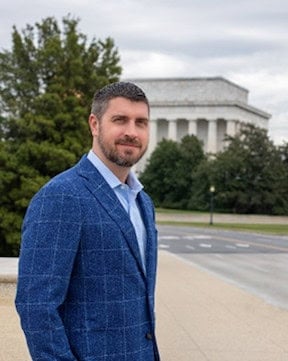
Jason Galanes
An 18-year veteran of the U.S. Congress, Jason Galanes has lived and worked in Washington, D.C. for two decades. He currently serves as Chief of Staff to Representative Mike Turner as well as Secretary of the U.S. delegation to the NATO Parliamentary Assembly. Jason led the organization of the 2025 NATO PA summit in Dayton, Ohio.
Foreign Insights from the Dayton Peace Accords Negotiations
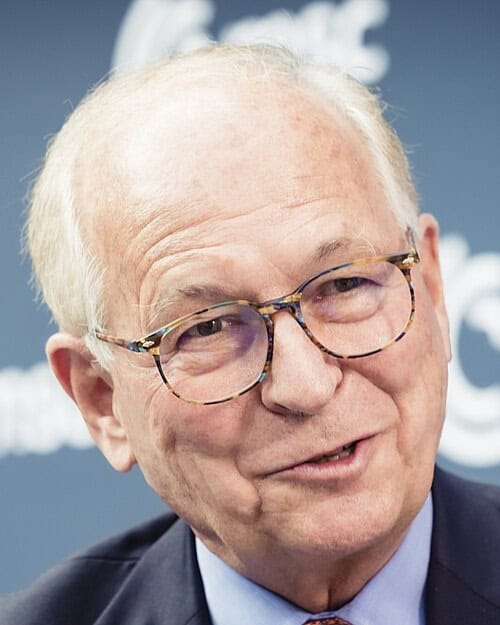
Ambassador Wolfgang Ischinger
Ambassador Wolfgang Ischinger worked in the German Foreign Ministry and was appointed Political Director in 1995, playing a key role in peace-making efforts on the European side. He attended the negotiations in Dayton as a member of the German delegation.
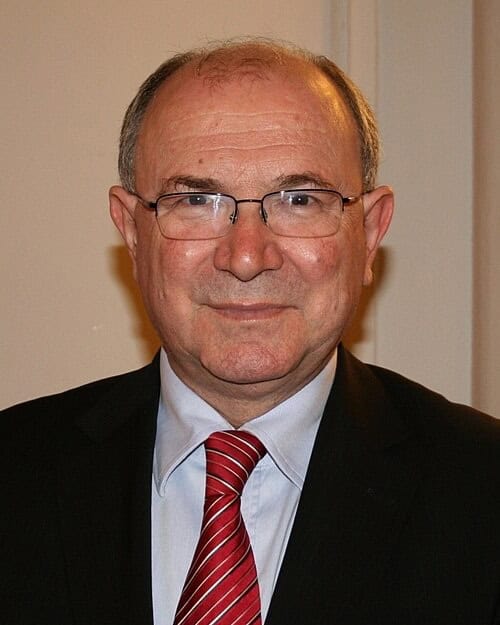
Minister Mate Granic
Minister Mate Granic was Croatian Minister of Foreign Affairs of the Republic of Croatia from 1993 to 2000. He was a key diplomatic player on the Croatian side during the negotiations, acting as a chief Croatian negotiator.
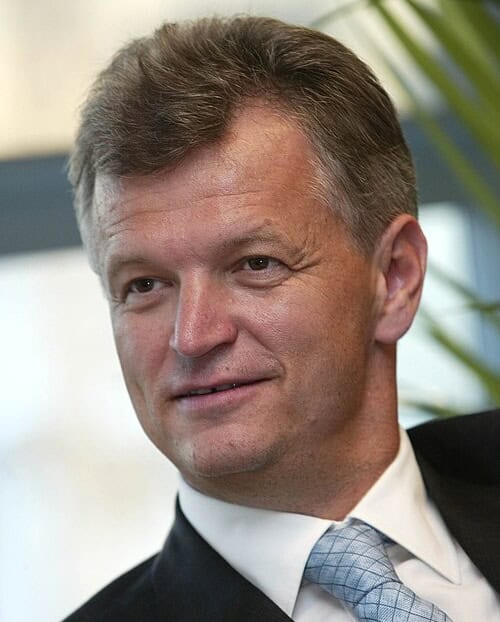
Miomir Žužul
Ambassador Miomir Žužul served as a member of the Croatian negotiations team and was involved in the negotiations of the Washington Agreement and Dayton Peace Accords. Ambassador Zuzul served as a Croatian Ambassador to the United Nations (1993-1996), Ambassador to the United States (1996-2000), and the Minister of Foreign Affairs (2003-2005).
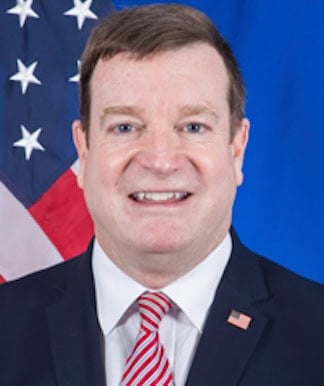
Ambassador John Hennessey-Niland
Ambassador (ret.) John Hennessey-Niland served as a War Crimes Criminal Investigator in the former Yugoslavia and Rwanda during the Balkan conflict, investigating violations of international humanitarian law. He most recently served as the U.S. Ambassador to Palau, and is one of the most experienced “Pacific Hands” in the U.S. Foreign Service.
The International Tribunal for the Former Yugoslavia (ICTY), a UN ad hoc court, was established in 1993. The court had jurisdiction over breaches of the Geneva Conventions of 1949, violations of the laws or customs of war, genocide, and crimes against humanity in the territory of the former Yugoslavia. One hundred sixty-one individuals were indicted. The ICTY closed in 2017. In his oral history, Ambassador (ret.) John Hennessey-Niland discusses his assignment as an investigator for the ICTY and the tribunal’s establishment, among other topics.
Dayton Peace Accords Implementation Voices
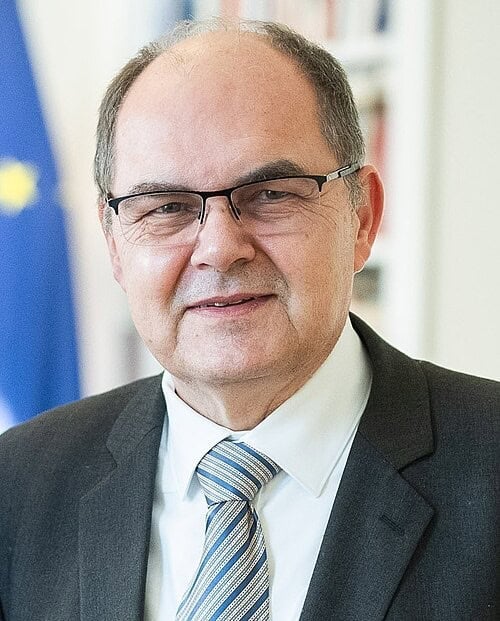
High Representative Christian Schmidt
High Representative Christian Schmidt serves currently as the High Representative for Bosnia and Herzegovina, an ad hoc international institution tasked with the civilian implementation of the Dayton Peace Accords. Prior to his current role, he served in German Parliament and as Minister of Food and Agriculture from 2014 to 2018.
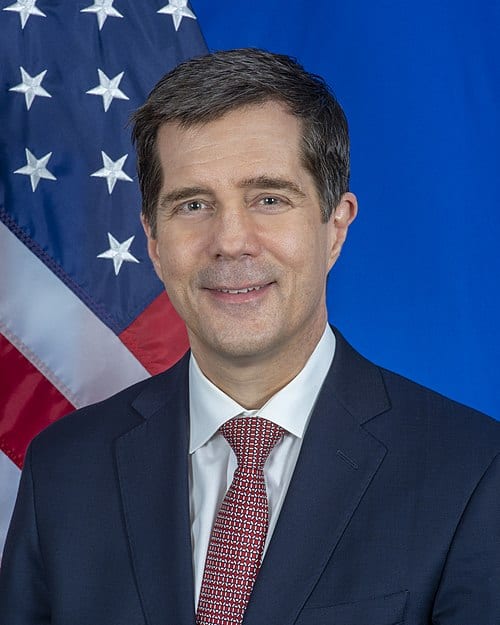
Ambassador Eric Nelson
Ambassador Eric G. Nelson served as U.S. Ambassador to Bosnia and Herzegovina from 2019 to 2022. Ambassador Nelson assisted the country with constitutional reforms, NATO and EU integration, electoral reform in Mostar, among many other issues.
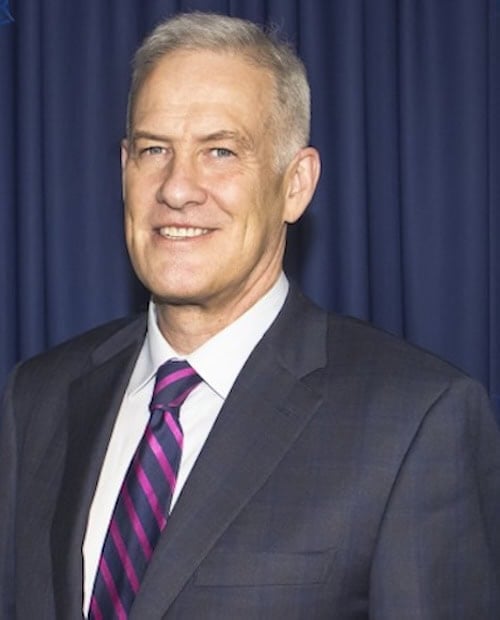
Principal Deputy High Representative Michael Scanlan
Michael Scanlan served as the Principal Deputy High Representative for Bosnia and Herzegovina and Supervisor of Brcko District from 2019-2022. During his 28 years at the U.S. Department of State, Mike Scanlan also served as the Director for Eastern European Affairs, Chargé d’Affaires a.i. at the U.S. Embassy in Minsk, and on the U.S. House of Representatives Committee of Foreign Affairs as a Pearson Fellow.
The 30th anniversary of the Dayton Peace Accords offers a moment to reflect on this monumental agreement and its implementation progress, as well as peace progress in the region. In the following interview, recorded during the NATO Parliamentary Assembly in Dayton, Ohio, the President of Kosovo, Dr. Vjosa Osmani-Sadriu, reflects on the legacy of Dayton and the peace process in her own country.
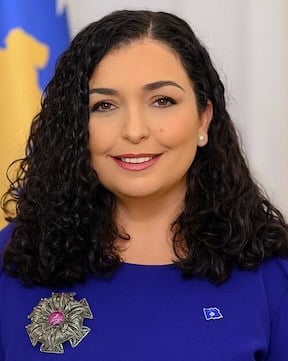
President Vjosa Osmani-Sadriu
Vjosa Osmani-Sadriu has served as President of Kosovo since 2021.
Dayton Peace Accords Masterclass: Lessons learned from the negotiations and implementation
U.S. Representative Mike Turner: Reflections on the Dayton Peace Accords and Their Legacy
The Dayton Peace Accords Oral History Project Continues
ADST continues to collect oral history accounts on the Dayton Peace Accords negotiations and implementation, and will be uploading new accounts sporadically. If you are interested in recording your story, please reach out to the project manager, Fran Leskovar, at [email protected].